
Five questions before joining.
You can draw, measure, build, program or explain. Ask how newcomers get to try each role.
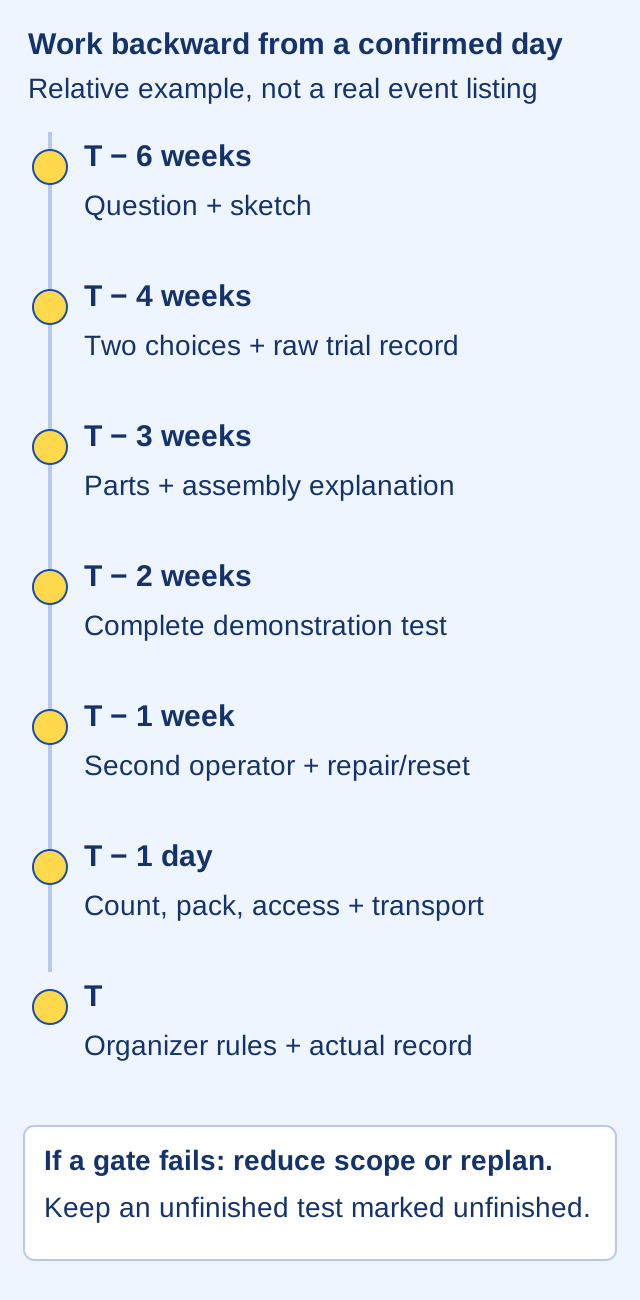
Practical guides for a first mechanism, a clear experiment and a group that can explain its decisions. Written by Archytas Workshop Desk.Tiles preview the corresponding diagrams. Guides distinguish predictions from observations.
Earlier Archytas.org
This address previously presented the Vermont robotics team and Archytas Education Corp. FIRST records a 2018 rookie season. The dated team history connects the earlier website with competition and grant records.
Arriving from the April 2022 fundraising story? Read the 2022 New England championship appeal and documented competition outcome. For original team imagery, follow the dated source-photo route.
The present site is an independent educational edition. It does not operate FRC team 6933 or collect donations.
Questions to take to an organizer, a support record to copy and habits to keep after the joke.
You can draw, measure, build, program or explain. Ask how newcomers get to try each role.
Offer time, tools or suitable space through a verified organizer. This independent website does not accept donations.
Separate the offer, handover and actual use; keep conditions and acknowledgement permission beside them.
An original robot comic and a few notebook-sized lessons.
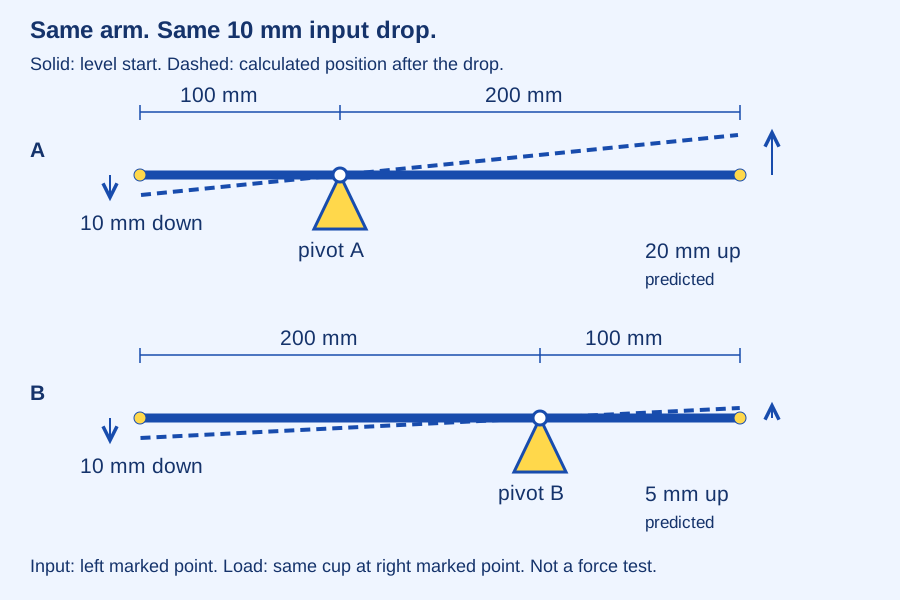
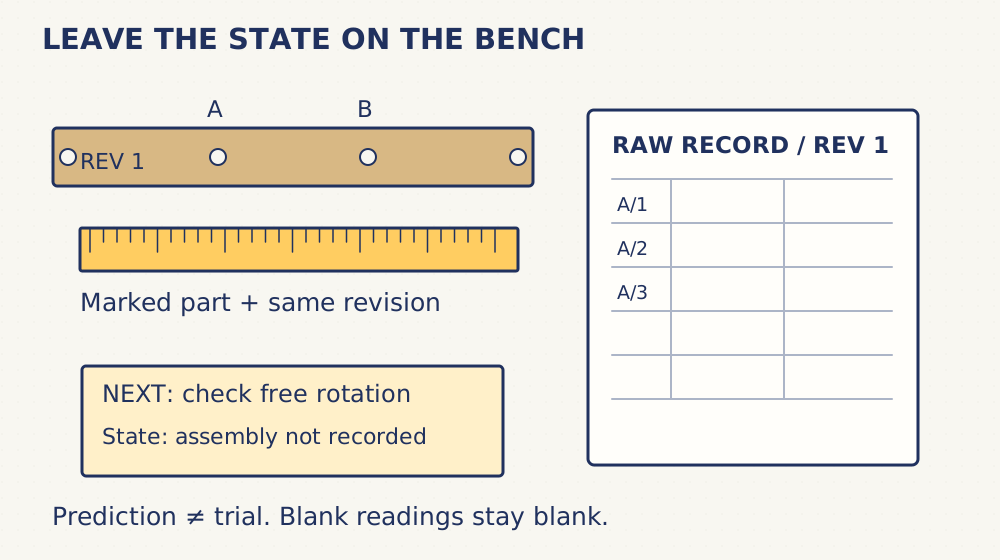
A drawing explains the setup. A prediction says what should happen. A measurement records what did happen. Keep all three visible.
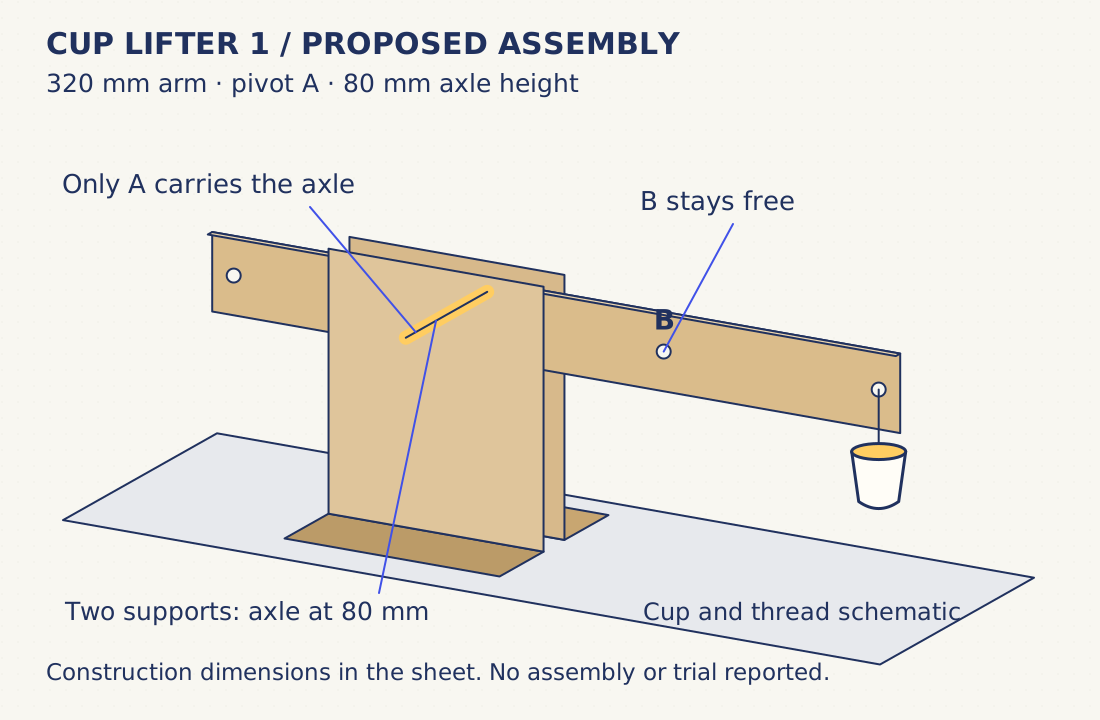
The cup-lifter activity includes a blank record because this edition has not performed the physical trials.
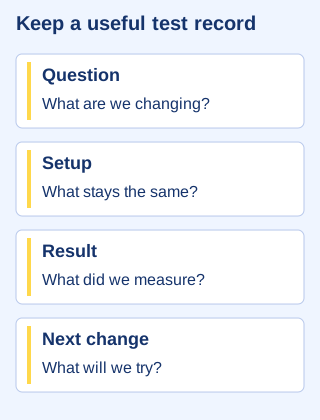
The cup-lifter series separates assembly, measurement, handoff and planning. Those are four tasks around one design, not four tested projects. The four-bar linkage is a distinct proposed mechanism about keeping a bar parallel. Both designs await physical trials.
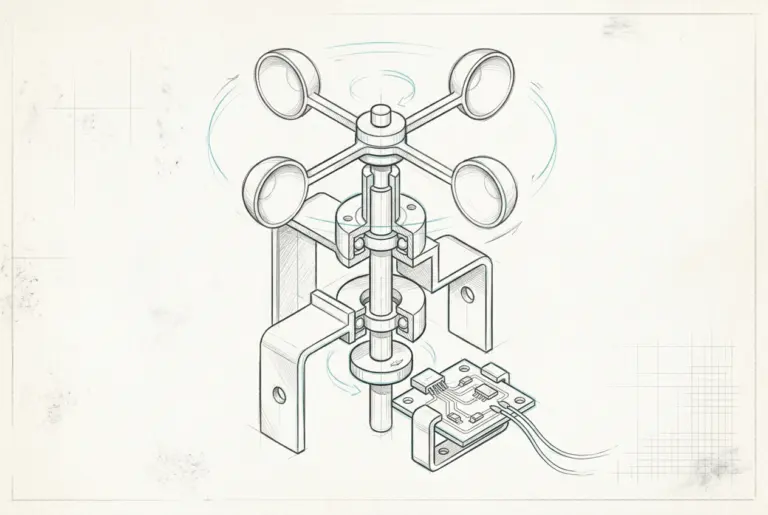
A portable weather station offers a useful robotics lesson: a zero reading can come from a stalled mechanism. Use a small rotor experiment to separate what the sensor reports from what the mechanism actually does.